


Are you looking to bring your transport management in-house?
Is your current TM retiring, stepping back or overloaded?
Are you a growing operation and need another qualified person to protect the business?
For many operators, training an in-house Transport Manager is about better control, continuity and protecting the operator licence. When compliance sits inside the business, you are not dependent on a contractor’s availability and you can build systems that genuinely fit how you operate.
Our guide explains what the Transport Manager CPC is, who needs it, what the exams involve, and how to qualify. It also clarifies common misconceptions and outlines the responsibilities that come with being named on an operator licence.
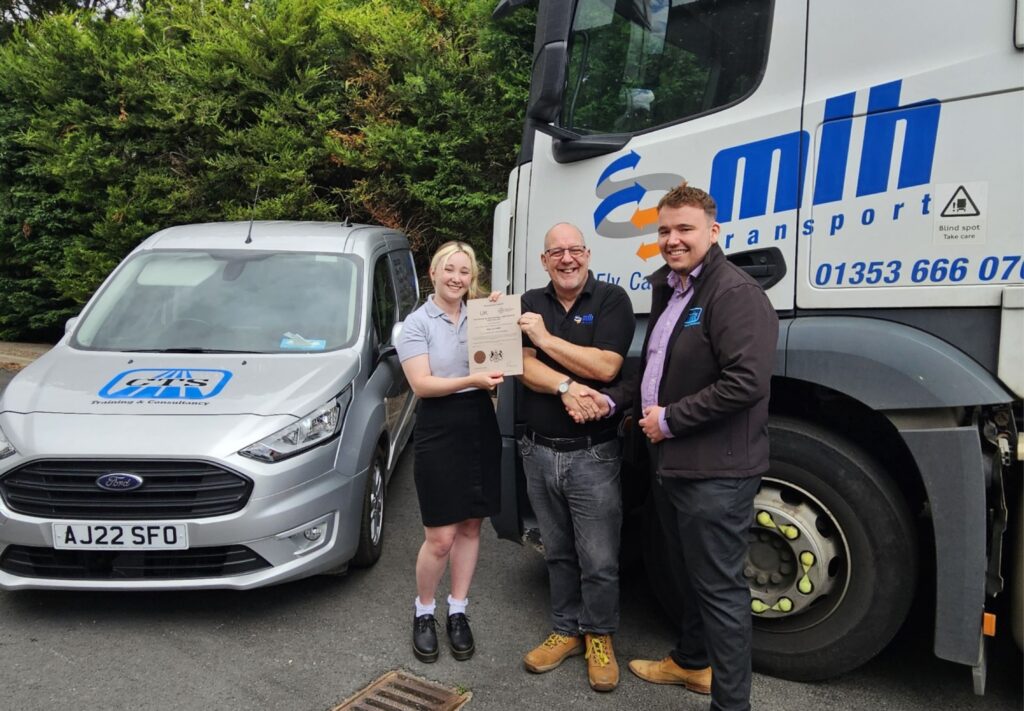
What Is the Transport Manager CPC?
The Transport Manager Certificate of Professional Competence (Transport Manager CPC) is the qualification required to be named as a professionally competent Transport Manager on a Standard Operator’s Licence.
Under UK Operator Licensing law, all Standard National and Standard International licence holders must have a named Transport Manager who can demonstrate professional competence.
In-House vs External Transport Manager
Operators can appoint either an in-house Transport Manager as an employee, or an external one on a contract basis. The right option depends on fleet size, structure and long-term plans.
An in-house TM is employed directly by the company and typically works within the transport office.
Advantages:
- Present during contracted hours
- Embedded in company systems and culture
- Greater day-to-day control
- Better suited to larger or growing fleets
Considerations:
- Higher fixed employment cost
- You must plan for cover if they leave
- Ongoing CPD support required from the operator
If an in-house TM leaves unexpectedly and no replacement is ready, the operator licence is exposed. Succession planning is critical.
An external TM works under contract and provides professional competence to one or more operators.
Advantages:
- Flexible cost structure
- Often highly experienced
- Suitable for small fleets
Considerations:
- Limited contracted hours
- Not embedded in daily operations
- Avoiding communication gaps is critical
Who Should Take the Transport Manager CPC?
Transport Manager CPC training is ideal for:
- Owner-operators of small haulage businesses who want to bring compliance in-house
- Directors who want direct control of their licence
- Future successors within a growing business
- Transport planners or compliance managers stepping up
- Businesses that want a second qualified TM

What Is a Qualified Transport Manager Legally Responsible For?
A Transport Manager must demonstrate “continuous and effective” management of the transport activities on the licence.
Core responsibilities include:
- Driver compliance: Monitoring driver licensing, drivers’ hours rules, Working Time Regulations and tachograph records.
- Vehicle roadworthiness: Overseeing safety inspection intervals, brake testing, MOT preparation, rectification processes, and protecting Operator Compliance Risk Score (OCRS).
- Safety and loading: Ensuring safe loading systems, defect reporting processes and vehicle walk-around checks are robust.
- Record keeping: Maintaining accurate tachograph, maintenance and compliance documentation.
- Regulatory oversight: Keeping up to date with legislation, notifying the Traffic Commissioner of relevant changes, and ensuring O-licence undertakings are met.
Oversight of operator licensing sits with the Traffic Commissioners for Great Britain, who have the authority to call Transport Managers to Public Inquiry, curtail or revoke licences, and in serious cases disqualify individuals from acting as a TM.
Enforcement activity, including roadside checks and operator investigations, is carried out by the Driver and Vehicle Standards Agency. Where serious non-compliance is identified, cases can be referred to the Traffic Commissioner.
Importantly, transport managers will be held accountable alongside company directors if systems fail. The role carries significant personal responsibility.
What Qualification Do You Need?
To act as a Transport Manager, you must hold a Level 3 Certificate of Professional Competence in Road Haulage or Passenger Transport.
The qualification is assessed by awarding bodies such as the Chartered Institute of Logistics and Transport (CILT), which regulates exam standards. The Transport Manager CPC qualification at CTS is provided through CILT.
Historically there were separate National and International qualifications. Today, the International CPC is the standard route and covers both UK-only and international operations.
Related training often includes:
- Transport Manager CPC Refresher: For qualified TMs needing CPD or those considering the full course.
- Operator Licence Awareness Training (OLAT): Designed for directors and senior managers to understand their legal responsibilities.
What Does Transport Manager CPC Training Cover?
The syllabus is broad as the role is commercially and legally demanding. Core areas include:
- Business and company law
- Industrial relations and employment law
- Health and safety
- Financial management and costing
- Commercial conduct
- Operator licensing
- Drivers’ hours and records
- Planned Preventive Maintenance (PPM)
- Vehicle taxation
- Contracts of carriage
- Weights and dimensions
- Safe loading
- Mechanical standards and enforcement
- Driver licensing
- Traffic regulations
- Accident procedures
- Insurance
- International documentation and customs systems
Transport Manager CPC Exams Explained
There are two exams, typically sat on the same day:
- Multiple choice examination: With CTS and CILT this is a closed book exam lasting two hours. The pass mark is 28 out of 40.
- Case study examination: With CTS and CILT this is an open book exam lasting 2 hours 15 minutes. The pass mark is 30 out of 60.
Exam dates are set by the awarding body. Results are generally released around six weeks after the exam date, depending on marking schedules.
If you pass one exam and fail the other, you only resit the failed module.
The national pass rate for the Transport Manager CPC typically falls between approximately 45% and 60%. However, CTS is proud to report a pass rate of over 80% since we began delivering the qualification in 2022.
How Long Does It Take to Qualify?
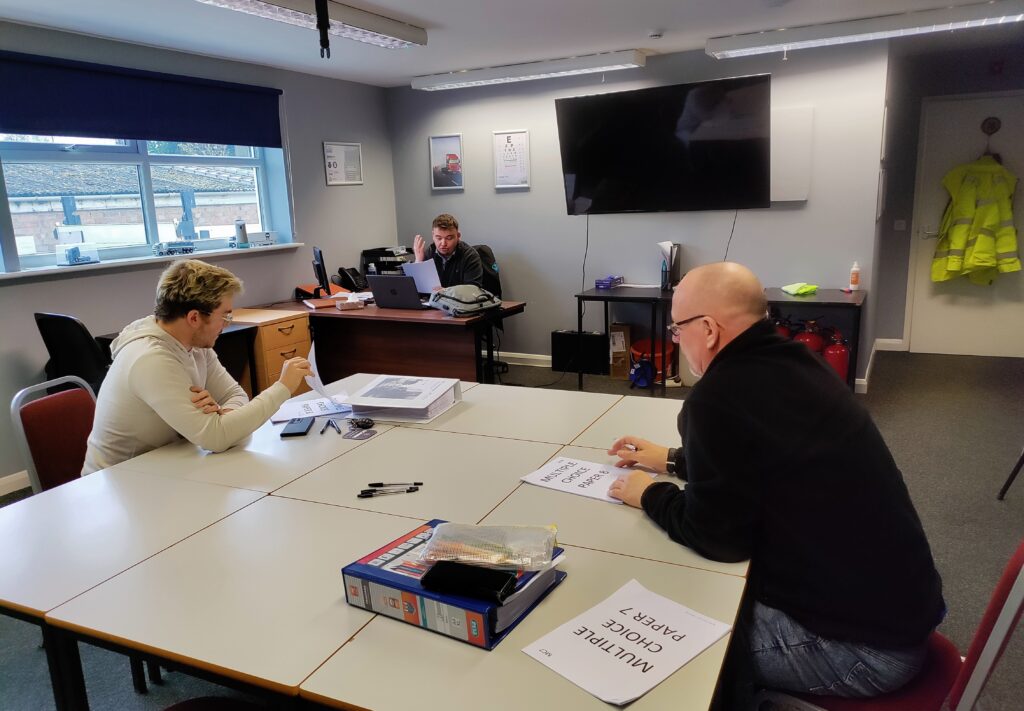
Courses with CTS run over 10 training days, followed by one revision day and the exam day.
Courses are generally spread across three to four weeks, usually two or three days per week. Candidates should plan structured revision time between sessions. Employer support is important, particularly for working managers balancing operational duties with study.
While online options exist where timings can be dictated by the candidate, CTS only offer classroom-based courses. We believe that in-person, classroom-based training is most effective due to the volume and complexity of material. It allows candidates to share knowledge and experiences, while also offering tailored support from the tutor.
How to Become a Qualified Transport Manager – Step by Step
Step 1: Choose an accredited training provider
Ensure the course is delivered to the correct Level 3 standard and aligned to the current syllabus.
Step 2: Complete the training
Engage fully with coursework, case studies and revision materials.
Step 3: Pass both exams
You must achieve the required mark in both the multiple choice and case study modules.
Step 4: Be added to your operator licence
Once qualified, you can be nominated as the professionally competent person on a Standard Operator’s Licence.
What Happens After You Qualify?
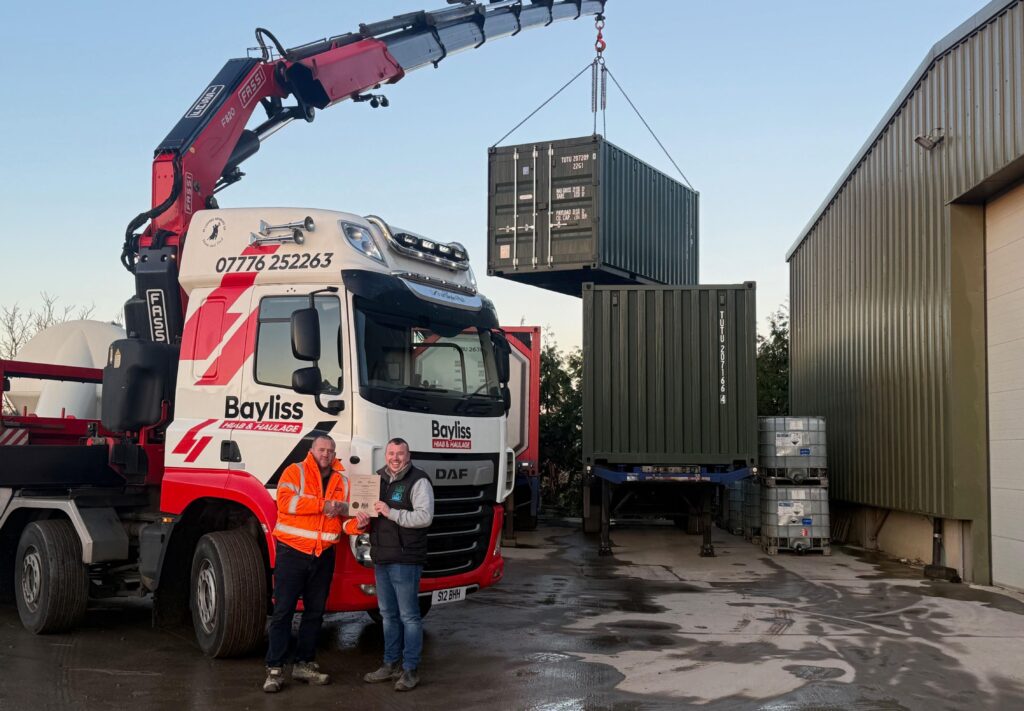
- Being Named on an Operator Licence: You must formally notify the Office of the Traffic Commissioner when adding or changing a Transport Manager on a licence. Approval is not automatic; the Traffic Commissioner must be satisfied that the arrangement demonstrates continuous and effective control.
- Ongoing Compliance and CPD: There is no expiry date on the CPC, but professional competence must be maintained. Regular refresher training, compliance audits and industry updates are strongly recommended.
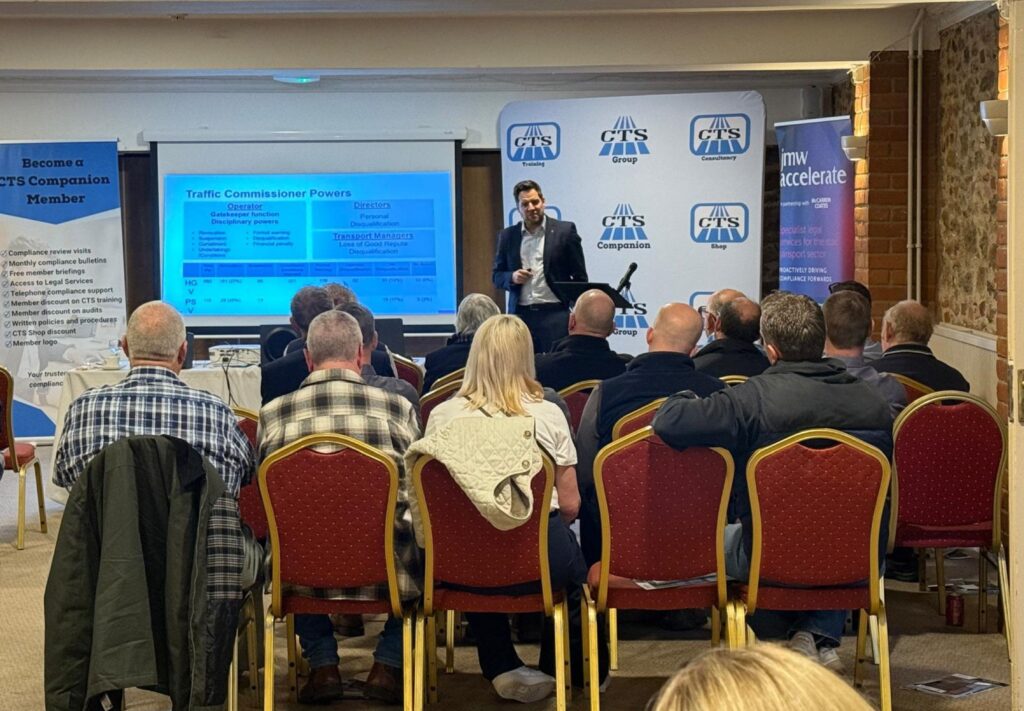
CTS offer a multitude of CPD opportunities and support for TMs, such as:
Common Questions about Transport Manager CPC
Is there a limit to the number of licences or vehicles a Transport Manager can oversee?
Yes. An external TM is usually limited to four operator licences and a combined maximum of 50 vehicles. The Traffic Commissioner may impose lower limits depending on circumstances. For internal TMs, there is no fixed statutory vehicle limit as they often benefit from the support of other transport office staff. However, they must be able to demonstrate effective control, and compliance failures will be flagged with the Traffic Commissioner.
What happens if your TM leaves?
You must notify the Traffic Commissioner and apply for a Period of Grace. This is commonly up to three months initially and may be extended to a maximum of six months in total, depending on circumstances. You must show a clear plan for appointing a replacement and maintaining compliance in the interim.
Can a director also be the Transport Manager?
Yes. A director can act as the TM provided they hold the appropriate CPC qualification and can demonstrate continuous and effective management.
What’s the difference between TM CPC and Driver CPC?
Although both are called “Certificates of Professional Competence”, they are entirely different.
The Transport Manager CPC is a one-off qualification gained by passing two exams. There is no expiry date. However, Transport Managers are expected to undertake regular CPD and refresher training to remain competent.
Driver CPC is a periodic training requirement for vocational drivers. Drivers must complete 35 hours of approved training every five years to retain their Driver Qualification Card. If they do not, they cannot legally drive professionally.
However, our Transport Manager CPC course is approved for Driver CPC hours, meaning candidates can gain 35 hours of Driver CPC while completing the TM course.
How to book your Transport Manager CPC training
Visit our Upcoming Courses page to find out next course dates at our training centre in Terrington St John, Wisbech.
Or alternatively contact the CTS team on 01945 880155 or training@ctservicesltd.co.uk to find out more or to book.
Class size is limited, so book early to avoid disappointment.
